- Back
- Home
- Online Shop
- About Us
- Contact Us
- View Cart 0
- Wishlist 0
- Login / Register
- Language:繁中 |
Spinning
0 Likes - 0 Comments
Dancewear as Silent Expression: How Multi-Style Outfits Interpret the Soul of Dance
When a dancer steps onto the stage or enters the studio, the first "medium" to communicate with the audience and themselves is the dancewear they wear. It is never just a passive "garment" but an active "expressor"—through the texture of the fabric, the warmth of the color, and the tension of the fit, it echoes the dancer’s movements, jointly interpreting the emotions and stories behind the dance. Whether it’s the charm and strength of pole dance, the elegance and purity of ballet, the boldness and agility of jazz, or the restraint and release of contemporary dance, dancewear interprets the soul of dance in its own way.
First, let’s explore the connection between color and emotion: The emotional attributes of different dances often form a tacit understanding with dancewear colors. Ballet pursues purity and lightness, so light colors such as white, off-white, and light pink have become classics—white symbolizes innocence, fitting the fairy-tale and sacred sense common in ballet stories; light pink adds softness, making the dancer more gentle during pirouettes. Pole dance combines strength and charm, so dark colors like black, deep purple, and wine red better highlight tension—black’s understated stability can set off the body’s lines and strength; deep purple and wine red’s mysterious luxury inject a charming atmosphere into the dance, making every pole wrap and spin more storytelling. Jazz dance pursues vitality and personality, so bright colors like orange, royal blue, and neon are preferred. These colors can instantly catch the eye, perfectly matching the rhythm and dynamism of jazz dance, conveying enthusiastic emotions.
Next, the fit between fabric texture and dance style: The tactile and visual experience of the fabric directly affects the presentation of dance style. Ballet dancewear emphasizes "lightness and elegance"—fabrics such as tulle, thin silk, and silk blends form natural arcs as the dancer jumps and spins, like butterfly wings, enhancing ballet’s elegance and dreaminess. Pole dance fabric pursues "tension and fit"—stretchy faux leather, tight cotton blends, and other fabrics can cling to the skin to show curves while remaining stable during large movements, without affecting movement completion due to looseness. At the same time, the fabric’s texture adds a sense of luxury and strength to the dance. Contemporary dance emphasizes "authenticity and freedom," so natural fabrics like cotton and linen are more popular—these fabrics are breathable and comfortable, allowing dancers to release their bodies without restraint, and the simple texture also fits contemporary dance’s core of focusing on the inner self and conveying true emotions.
Fit design is also a "carrier of emotional expression": Ballet’s fit focuses on "slimness and elegance"—tight leotards paired with long skirts or flared pants can lengthen the body proportion, making every stretch and spin of the dancer more extensible, reflecting ballet’s dignity and grace. Pole dance’s fit is a "balance between curves and flexibility"—cropped tops highlight the waist-hip curve, showing female charm; side-slit pants or asymmetrical skirts can avoid movement entanglement while adding dynamism and charm during dancing, perfectly integrating strength and softness. Jazz dance’s fit tends to be "personality and flexibility"—cropped tops paired with loose pants or shorts are not only convenient for dancers to perform large movements like high kicks and twists but also show lively and bold personality, which is in line with jazz dance’s freedom and unrestraint.
What’s more thought-provoking is the "symbiotic relationship" between dancewear and dancers: An excellent dancewear can not only interpret the emotion of the dance but also stimulate the dancer’s desire to express. When a dancer puts on dancewear that fits the dance style, they will naturally enter the corresponding emotional state—when wearing a ballet tulle skirt, they will unconsciously tighten their core and straighten their back, showing elegance and calm; when wearing a black pole dance set, they will be more daring to release strength and charm, making bold and bold movements; when wearing a bright cropped jazz set, they will instantly become lively and confident, releasing enthusiasm with the music rhythm. This state of "unity between person and clothing" is one of the highest realms of dance.
Dance is a flowing art, and dancewear is the most concrete color and texture in this flow. With its silent language, it conveys the emotions, styles, and stories of the dance to every audience, and accompanies the dancer through countless moments of polishing movements in the studio. Choosing a suitable dancewear is not only choosing a wearing experience but also choosing a way to communicate with dance—let the dancewear resonate with your body and emotions, and jointly interpret your own dance story.
Share it
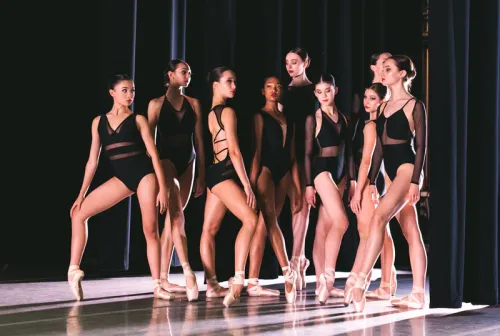
Choose the Right Dancewear = Better Moves! Multi-Style Dancewear Buying Guide for Beginners & Pros
Why does the same dancewear look flexible and stylish on others, but feel restrictive and awkward on you? This multi-style dancewear buying guide breaks down the core of choosing outfits for different dances—from fabric and fit to details—helping you pick the perfect piece to enhance your dance performance.
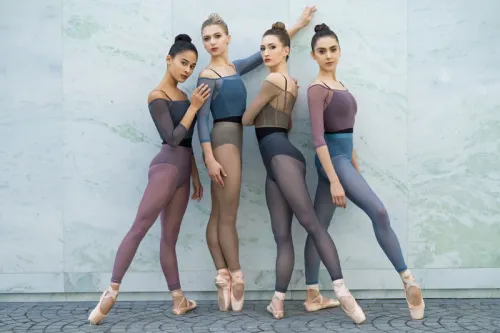
No More Same Outfits! Stellar Estrella Hidden Collection Dancewear Launch – Personalized Style Guide for Ballet to Hip-Hop
Tired of the same basic dancewear in the studio? Our limited-edition hidden collection is now available, covering ballet, pole dance, hip-hop and more styles – let you stand out in both practice and performance.
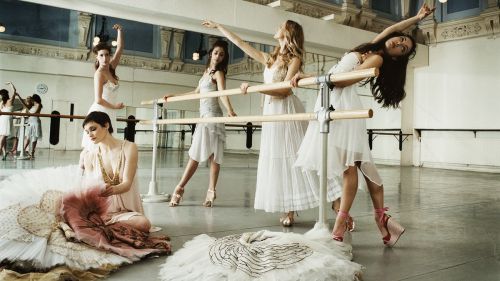
Dancers’ Must-Grab Deal! Stellar Estrella Multi-Style Dancewear Flash Sale – One Piece for Practice & Performance
From ballet’s elegant sets to pole dance’s edgy black outfits, the full range of multi-style dancewear is on limited-time discount! One piece meets the needs of practice, performance and daily wear, letting dancers shop smart and dress practical.
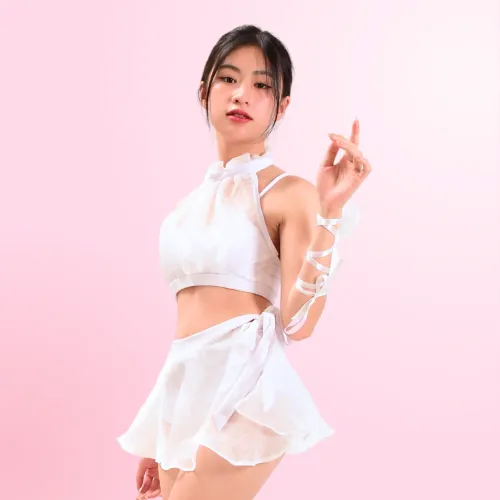
From Ballet to Pole Dance: Why "Cross-Style Dancewear" Is a Dancer’s Wardrobe Must-Have
Can one outfit pull off ballet’s lightness and pole dance’s allure? The rise of cross-style dancewear reflects dancers’ growing demand for flexible, versatile pieces.
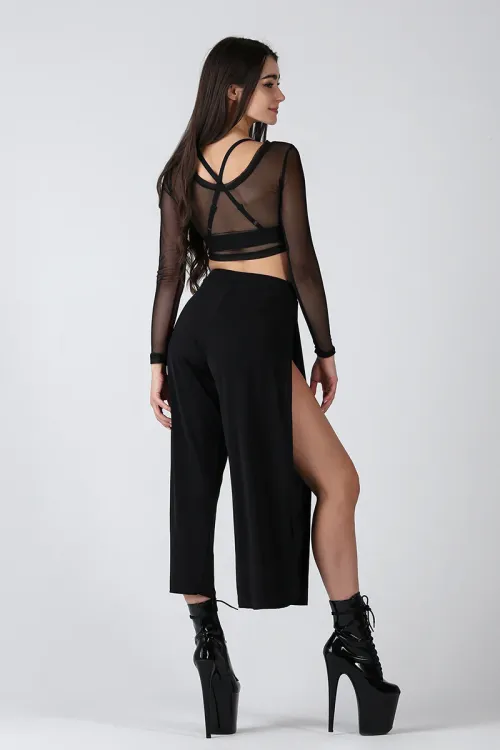
Dancewear Isn’t Just "Pretty": How Black Pole Dance Outfits Merge Function and Style
Why have black pole dance outfits become a scene favorite? From the anti-slip faux-leather fabric to split-leg mobility design, these pieces prove "good-looking" and "practical" don’t have to be mutually exclusive.
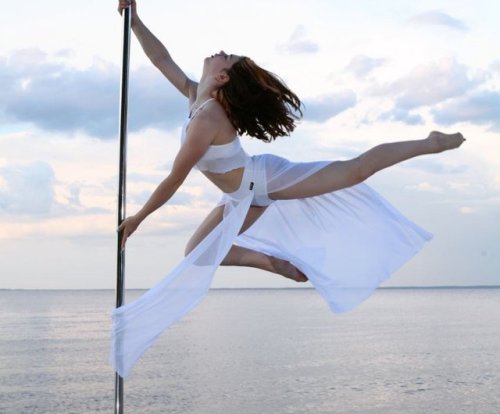
The "Ethereal Revolution" of Pole Dance Wear: How a White Flowy Set Redefines Movement Beauty From Studio to Stage
Breaking the stereotype that pole dance wear equals "tight and edgy," this white flowy outfit balances flexibility and ethereal aesthetics with soft fabrics and a flowing skirt—letting dancers find the perfect middle ground between strength and grace.
color
border style
- * Accept either 'px' or % as unit, e.g. 0px, 5px, 5%
typography
Heading (H1, H2, H3, H4, H5, H6)
Body Text (Paragraph, Label)
Title
Link
button
- * Accept either 'px' or % as unit, e.g. 0px, 5px, 5%
- * First number: top and bottom padding
* Second number: left and right padding
* Units: px Hover Effect
Product Item - Add to Wishlist